IP65 vs IP67 Outdoor Solar Lights: What Buyers Should Know
IP65 and IP67 are ingress-protection classifications, not general quality grades. Both begin with 6, indicating the highest listed category of protection against dust ingress. Their second digits describe different water tests: 5 relates to water jets, while 7 relates to temporary immersion under specified conditions. The better choice depends on how and where the solar light will be installed.
How to read the two digits
“IP” is followed by one digit for solids and one for water. A higher water digit does not simply mean “better in every situation”; it identifies a different test category. The product must be evaluated as a complete assembly, including its battery door, switch, connectors and cable entries—not only the lamp head.
Where IP65 commonly fits
IP65 is widely used for outdoor wall lights, path lights and decorative fixtures exposed to rain and normal garden spray. It can be appropriate when the product is mounted above ground and water can drain away. The rating does not mean the light should be submerged or placed where a sprinkler continuously attacks a seam at close range.
Where IP67 may be appropriate
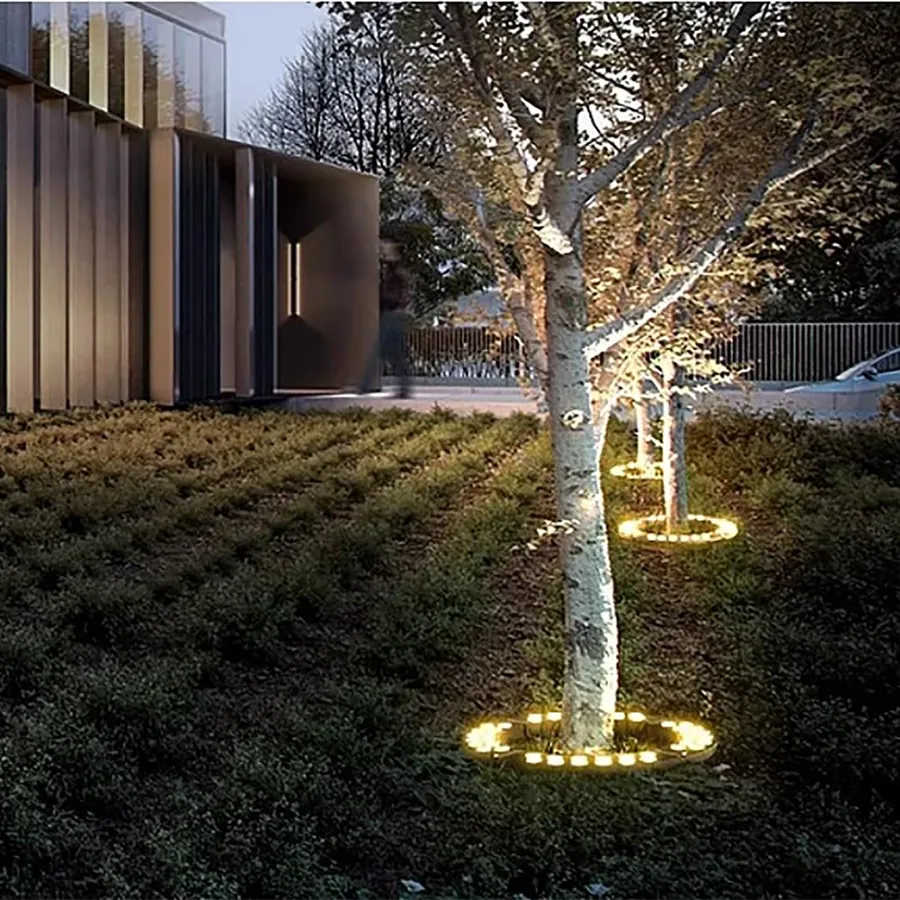
IP67 is often specified for low-level or ground-adjacent products that face a higher chance of temporary water exposure. In-ground markers and uplights are common examples. However, IP67 does not turn a garden light into a permanent underwater fixture, nor does it remove the need for drainage and correct cable installation.
Why the installation can defeat the rating
A tested enclosure can still fail if a battery cover is closed on dirt, a gasket is damaged, a cable is pulled sideways or the product sits in conditions outside the test. Aging and UV exposure can change plastics and seals. Maintenance instructions should show how to open and close user-serviceable areas without compromising protection.
Do not mix component and product ratings
A waterproof LED module inside an unsealed decorative body does not make the finished product IP67. Similarly, a rated connector does not define the battery box. Wholesale buyers should ask which complete model was tested and whether the sample, report and production construction match.
Questions to ask a supplier
- Is the stated rating for the complete finished light?
- Which configuration and cable entries were included?
- Is the battery compartment user-accessible?
- What installation position is required?
- Are separate panel connectors rated and correctly mated?
- How is the rating checked during production?
IP rating and other weather factors
Ingress protection does not describe UV stability, corrosion resistance, impact, wind loading, battery-temperature limits or finish durability. A coastal wall light and a shaded inland path light may need the same IP rating but different materials. Use IP as one line in a complete outdoor specification.
Why the application should lead the specification
Specifying IP67 for every outdoor item can add cost without addressing the product’s most likely failure. A wall lantern may benefit more from a stable bracket, UV-resistant housing and a well-designed battery door. A ground marker may genuinely need greater water protection and drainage. Define rain, splash, pooling, cleaning and maintenance exposure first, then select a rating and construction that address those conditions together.
Compare reports to the sold model
For wholesale orders, the model number and construction in the test evidence should match the product being quoted. A similar housing, an earlier battery door or a different connector may not represent the current SKU. Keep the report, approved sample and production specification linked so a later component change triggers review instead of inheriting the rating automatically.
Retail packaging should explain the limit
“Waterproof” without context invites misuse. Packaging should state the IP rating, intended mounting and any restrictions on immersion or pressure cleaning. Size diagrams and installation illustrations help consumers keep panels, control boxes and battery doors in the correct position.
Bottom line
Choose IP65 for suitable rain-exposed outdoor installations and IP67 where the defined exposure justifies it, then verify the complete construction and installation. Browse our IP65 wall and fence lights and ground-level solar uplights to compare model-specific ratings.
Related solar lighting guides
Ready to source solar garden lights?
Send us your target assortment, quantities or OEM brief—our export team will reply with relevant models, specifications and quotation details.
Request a Wholesale Quote Browse Products