Solar Garden Lights for Flower Beds: A Layered Layout Guide
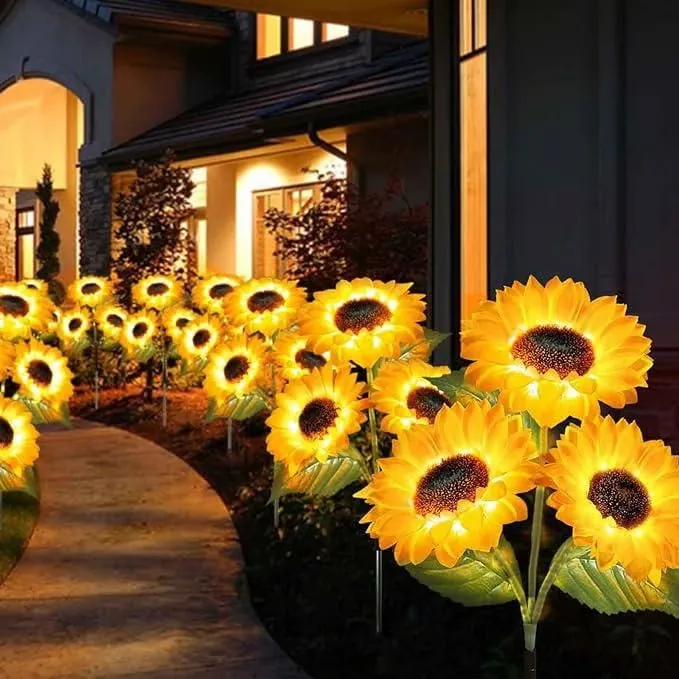
The best solar garden lights for flower beds reveal planting rather than compete with it. Use low lights to mark the bed edge, a small number of decorative stakes as daytime features and selective spotlights for plants with strong shape. The layout should still look intentional when flowers grow, move in wind or disappear in winter.
Begin with the purpose of the bed
A front-yard border may need a clear edge after dark. A patio bed may need atmosphere from nearby seating. A display garden may use lighting to draw attention to seasonal color. Write down the main viewing direction and whether the light is for guidance, decoration or plant accent before selecting a fixture.
Use three lighting layers
Edge lights establish the bed boundary. Decorative stakes add visible shapes such as flowers, fireflies or sculptural objects. Accent spotlights reveal a specimen plant or textured wall behind the bed. A small garden rarely needs all three at equal strength; choose one primary layer and let the others support it.
Keep repetition calm
Path markers look organized when their spacing follows the bed’s rhythm. Decorative objects look more natural in odd-numbered clusters or as one focal point. Avoid alternating many unrelated novelty shapes. Repeating a material, light color or silhouette makes a mixed solar-light range feel like part of the planting design.
Protect panel exposure from plant growth
A panel that receives sun in spring can disappear beneath leaves by midsummer. Check the mature height and spread of nearby plants. Keep integrated panels above low ground cover and away from regular irrigation. If the light must sit below dense foliage, choose a product with a separate panel that can be placed at the bed edge.
Choose brightness for plants, not pavement
Soft decorative output suits petals and foliage viewed at close range. A brighter adjustable spotlight is useful for a tall ornamental grass, shrub or small tree. Excessive brightness flattens color and creates hard glare from wet leaves. Use the lowest output that makes the intended form readable from the main viewpoint.
Select a light color that supports the planting
Warm white complements timber, brick, warm-colored flowers and relaxed patio gardens. Neutral or cooler light can sharpen pale stone and modern planting, but may feel stark in a traditional border. Mixing many color temperatures in one small bed makes the result look accidental. Our warm versus cool outdoor lighting guide gives a clearer comparison.
Make maintenance possible
Leave enough access to clean panels, replace batteries and lift fixtures before digging or dividing plants. Do not hide cables where a spade will find them. Push stakes using the reinforced lower section instead of the lamp head, and soften hard soil before installation to avoid cracking connectors.
Plan the bed across all four seasons
A summer border may be full and colorful while the same area becomes open and dark in winter. Choose fixtures with a daytime form that still suits the dormant bed, and check that fallen leaves do not cover low panels. Removable decorative stakes can rotate with seasonal planting, while dependable edge lights provide the permanent structure.
Use night photographs to approve the range
For retail and wholesale selection, view every sample both unlit and illuminated. Daytime photographs reveal scale and finish; night photographs reveal color, pattern and viewing distance. Keep exposure settings consistent when comparing models so one light is not made to appear brighter only through editing.
Ideas for different retail assortments
- Classic border: warm stake lights with one lantern-style step-up.
- Gift garden: botanical or animal stakes grouped by theme.
- Fairy garden: mushroom and firefly effects at low height.
- Modern planting: restrained in-ground markers and focused uplights.
- Hospitality bed: durable edge lighting plus a few brighter specimen accents.
Bottom line
A flower-bed layout works when the lights respect plant scale, growth and seasonal change. Plan the visual layer and the charging layer together. Browse decorative solar garden lights for botanical and sculptural accents, or compare pathway markers for quieter bed edges.
Related solar lighting guides
Ready to source solar garden lights?
Send us your target assortment, quantities or OEM brief—our export team will reply with relevant models, specifications and quotation details.
Request a Wholesale Quote Browse Products